Music & Language Learning Center
  • Home
    • About Us
  • Classes
    • ABRSM Music Theory
    • Celebrate Theory
    • Ear Training
    • Music Appreciation
    • Music Composition
    • Music History
    • Music Lessons
    • Music Theory
    • Orchestra Conducting
    • Trinity College of Music
    • French
    • Brazilian Portuguese
    • European Portuguese
    • Spanish
  • Faculty
  • Digital Products
    • Free Resources
  • Blog
B L O G

Top 10 Composers to Learn About in South America

4/5/2024

1 Comment

 
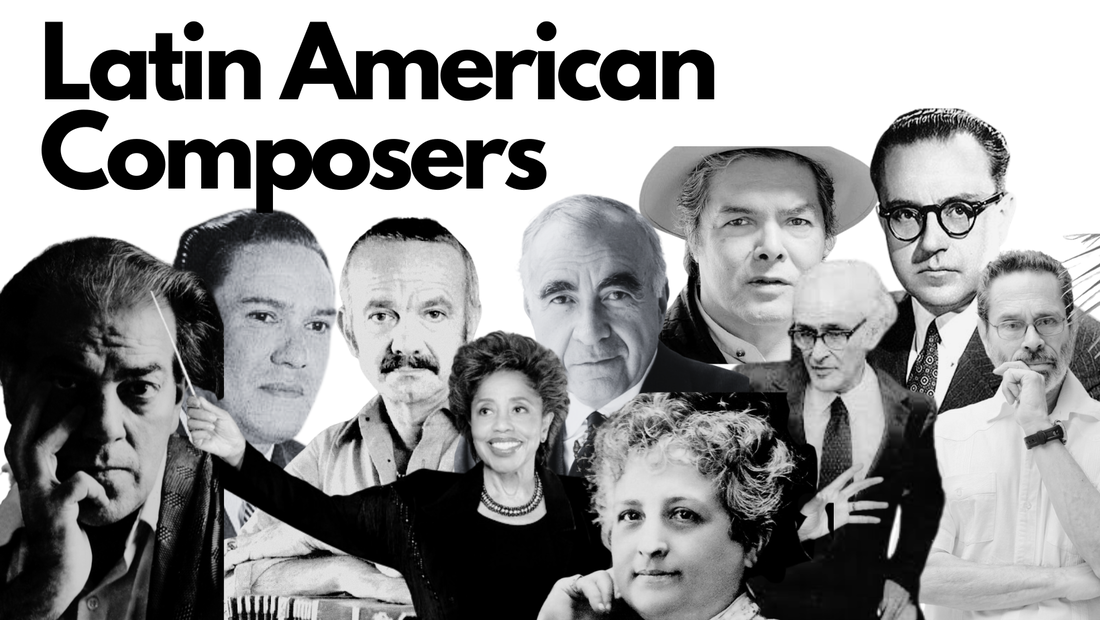
Latin American Composers
Latin America is a mosaic of cultures, languages, and traditions. Music plays a significant role in telling the story of their heritage, from the ancient rhythms of indigenous peoples to the beats brought by African slaves during the transatlantic trade. In the Caribbean, music is everywhere, mixing African, European, and indigenous sounds. Meanwhile, in the Andes, the majestic mountains set the scene for soulful melodies played on panpipes and charangos, echoing the deep spirituality of the region's indigenous communities.
​
Exploring the rich musical sound of South America can take you to a diverse world of composers whose works span various genres and styles. Here are ten composers from South America worth learning about:
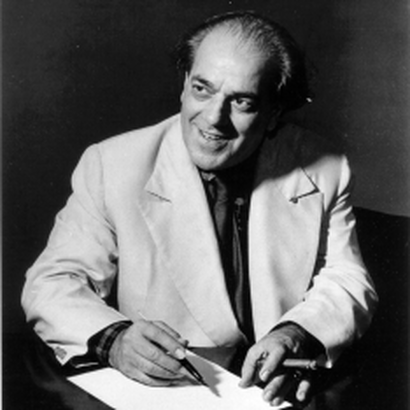
Heitor Villa-Lobos
1. Heitor Villa-Lobos (Brazil)
​

Heitor Villa-Lobos (1887-1959) was a Brazilian composer and one of the most influential figures in Latin American classical music. Born in Rio de Janeiro, Villa-Lobos was largely self-taught, learning to play the cello, guitar, and clarinet from a young age. He drew inspiration from the rich musical traditions of Brazil, incorporating elements of indigenous rhythms and melodies into his compositions.

Villa-Lobos composed for various genres, from symphonies and concertos to chamber music and solo works. Here, you can listen to some of his work:
  • Bachianas Brasileiras
  • Chôros
  • Symphony No. 10 ‘Ameríndia’
  • String Quartets
​
Throughout his career, Villa-Lobos championed Brazilian music at home and abroad, earning recognition as one of the foremost composers of the 20th century. 
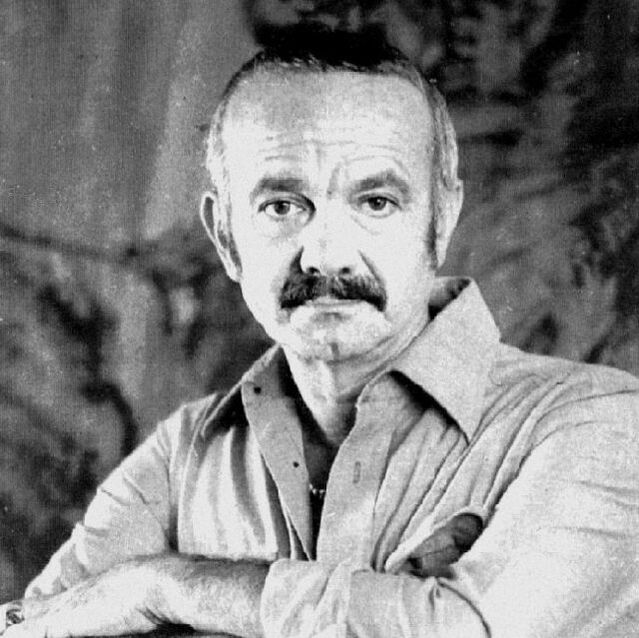
Astor Piazzolla
2. Astor Piazzolla (Argentina)
​

Astor Piazzolla (1921-1992) was an Argentine composer and bandoneón player whose innovative fusion of traditional tango with jazz and classical elements revolutionized Argentine music and captivated audiences worldwide. Born in Mar del Plata, Argentina, Piazzolla began studying the bandoneón, a type of concertina, at a young age and later trained in classical composition with the renowned Argentine composer Alberto Ginastera. Listen to some of his work:
  • Libertango
  • Four Seasons of Buenos Aires
  • Oblivion
  • Adios nonino
 
Piazzolla's music has profoundly impacted the global music scene, influencing tango musicians, composers, and performers across various genres.
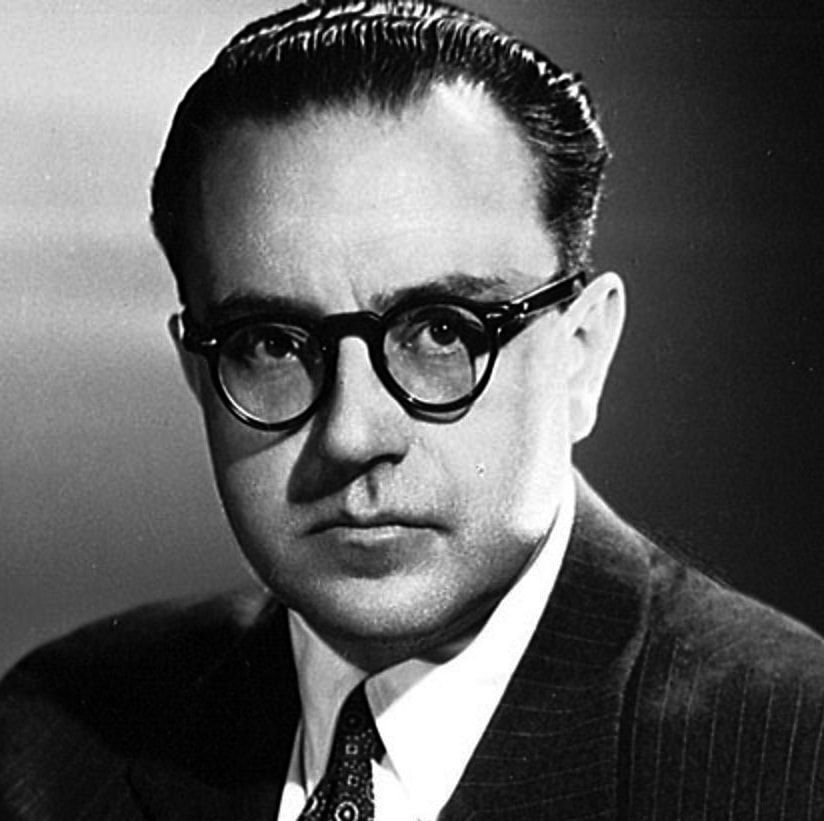
Alberto Ginastera
3. Alberto Ginastera (Argentina)

Alberto Ginastera (1916-1983) was an Argentine composer considered one of the most important musical figures of the 20th century in Latin America. Born in Buenos Aires, Argentina, Ginastera displayed an early aptitude for music and began studying piano and composition at a young age. He later pursued advanced studies at the National Conservatory of Music in Buenos Aires and the Curtis Institute of Music in Philadelphia.

Ginastera's compositions are known for their distinct blend of traditional Argentine folk music, modernist techniques, and avant-garde elements. Some of Ginastera's most important works includes:
  • Estancia
  • Variaciones concertantes
  • Bomarzo
  • Piano Sonata No. 1
 
Ginastera’s compositions have earned him international acclaim and have had a lasting impact on the development of contemporary classical music in Latin America and beyond.
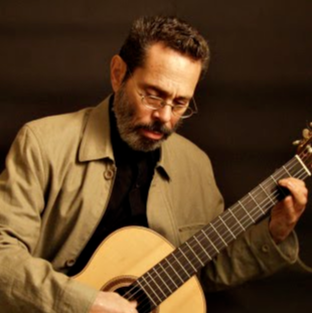
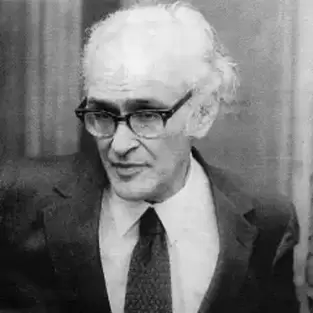
Leo Brouwer
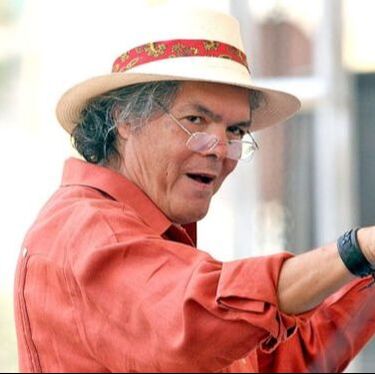
4. Leo Brouwer (Cuba)

Leo Brouwer (born 1939) is a Cuban composer, conductor, and virtuoso guitarist known for his diverse and innovative contributions to contemporary classical music. Born in Havana, Cuba, Brouwer began studying the guitar at a young age under the guidance of his father, an amateur guitarist. He later pursued formal music education at the Juilliard School in New York City, where he studied composition.

Brouwer's compositions start from solo guitar pieces and chamber music to orchestral works and film scores. He draws inspiration from various sources, including Cuban folk music, Afro-Cuban rhythms, avant-garde techniques, and contemporary classical music trends. Let’s hear his excellent work.
  • Cuban Landscape with Rain
  • Beatlerianas
  • El Decamerón Negro
  • Concerto de Toronto
 
Brouwer's music is characterized by its technical virtuosity, imaginative orchestration, and expressive lyricism, significantly impacting the guitar repertoire.
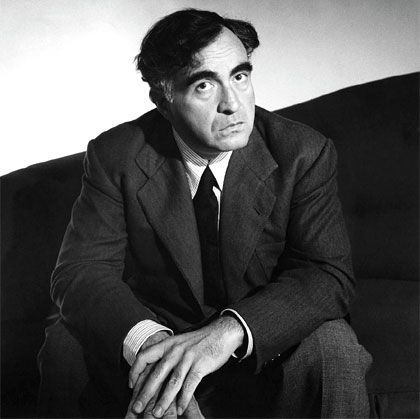
Julián Orbón
​5. Julián Orbón (Cuba)

Julián Orbón (1925–1991) was a Cuban composer and conductor whose music reflects a fusion of European classical traditions with Afro-Cuban and Caribbean influences. Born in Havana, Orbón began his musical studies early, studying piano and composition at the Conservatorio Nacional de Música. Orbón's compositions are characterized by their rhythmic vitality, big orchestrations, and innovative harmonic language. Some of Orbón's works vary in style, let’s listen to some of them:
  • Concerto Grosso for string quartet and Orchestra
  • Tres versiones sinfónicas
  • Preludio y Danza
  • Danzas sinfónicas
 
Orbón's music has earned him recognition as one of the leading figures in Cuban classical music, and his compositions continue to be performed and celebrated for their innovative spirit.
Antonio Estévez
​6. Antonio Estévez (Venezuela)

Antonio Estévez (1916–1988) was a Venezuelan composer known for his significant contributions to the classical music scene in Latin America. Born in Guanare, Venezuela, Estévez displayed an early talent for music and began his formal training in composition at the Caracas Conservatory. He later studied orchestration in Paris, France, under the guidance of conductor Eugène Bigot.

Estévez's compositions are deeply rooted in Venezuelan folklore and indigenous musical traditions, often incorporating elements of Afro-Venezuelan rhythms, indigenous melodies, and European classical forms. Listen to some of his most significant work.
  • Cantata Criolla
  • Melodía en el llano
  • Habladurías
  • Concierto para orquesta
 
Estevez’s legacy continues to resonate in the hearts of Venezuelans and music lovers worldwide, cementing his status as one of Latin America's most important composers.
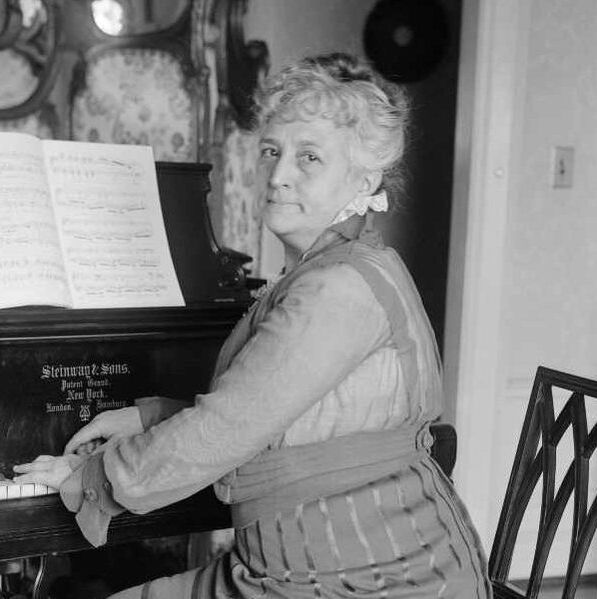
Teresa Carreño
​7. Teresa Carreño (Venezuela)

Teresa Carreño (1853–1917) was a Venezuelan pianist, composer, and conductor who rose to prominence as one of the most celebrated musicians of her time. Born in Caracas, Venezuela, Carreño showed exceptional musical talent from an early age, making her concert debut as a pianist at eight. She later studied piano and composition in Paris with renowned teachers such as Georges Mathias and Anton Rubinstein.
​
Carreño's virtuosic piano performances captivated audiences across Europe and the Americas, earning her the nickname "The Walküre of the Piano" for her commanding stage presence and dynamic interpretations. In addition to her performing career, Carreño was a prolific composer, writing numerous piano, voice, and orchestra works. You can find some of her most beautiful works down there.
  • Gottschalk Waltz, Op. 1
  • Mazurka de Salón
  • Cuarteto en Bm 
  • Vals “Mi Teresita”
 
Carreño's contributions to the music world were immense as a performer and composer. Her legacy and pioneering achievements have paved the way for future generations of female musicians in Venezuela and worldwide.
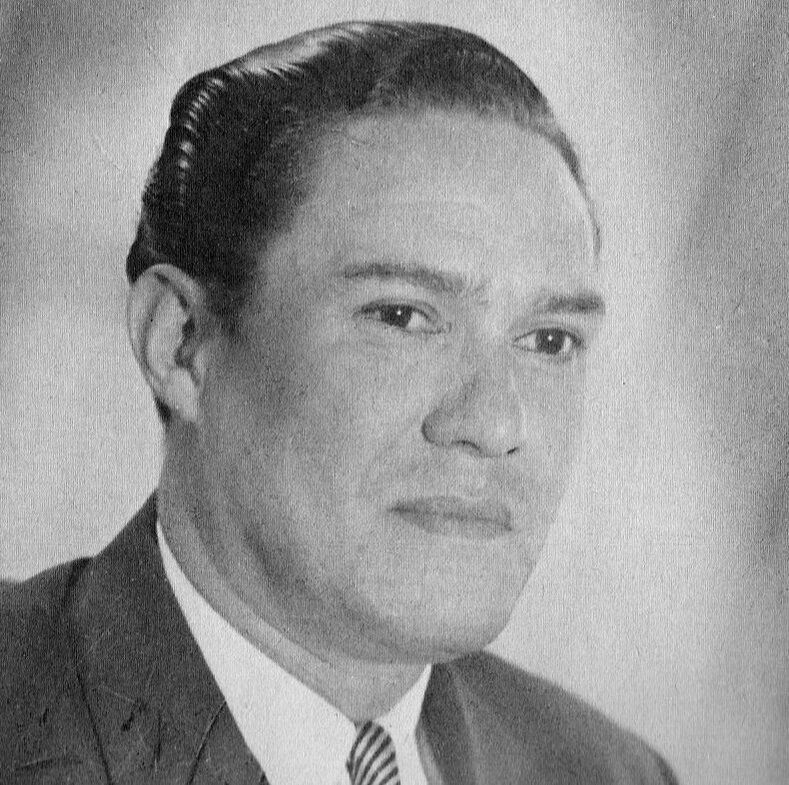
Carlos Chávez
​8. Carlos Chávez (Mexico)

Carlos Chávez (1899–1978) was a Mexican composer, conductor, and music educator who played a pivotal role in shaping 20th-century music in Latin America. Born in Mexico City, Chávez began his musical education at a young age and later studied composition in Paris under renowned composers such as Manuel Ponce and Paul Dukas.

Chávez's compositions are characterized by their fusion of European classical techniques with indigenous Mexican elements, reflecting his deep commitment to promoting Mexican culture and identity through music. Go and enjoy his work.
  • Sinfonía India
  • Sinfonía de Antígona
  • Toccata for Percussion Instruments
  • Xochipilli
 
Chávez's contributions to Mexican music extended beyond composition, as he also played a crucial role in promoting contemporary music through his work as a conductor, educator, and founder of the Mexican Symphonic Orchestra.
Arturo Marquez
​9. Arturo Marquez (Mexico)

Arturo Márquez (born 1950) is a Mexican composer known for his well-known compositions that blend elements of traditional Mexican music with contemporary classical techniques. Born in Álamos, Sonora, Márquez began his musical studies at an early age, eventually pursuing composition at the National Conservatory of Music in Mexico City and later studying in Paris with renowned composer Jacques Castérède.

Márquez’s compositions often feature virtuous orchestrations, complex dance rhythms, and Latin harmonies, celebrating Mexican culture on the world stage. Know about Márquez and his most successful compositions.
  • Danzón No. 2
  • Conga del Fuego Nuevo
  • Concierto de Otoño para trompeta
  • Leyenda de Miliano
 
Márquez's music has earned him international acclaim and has been performed by orchestras and ensembles worldwide, cementing his legacy as one of Mexico's most important contemporary composers.
Tania León
​10. Tania León (Cuba)

Tania León is a Cuban American composer, conductor, and educator renowned for her innovative compositions blending diverse musical influences. Born in Havana, Cuba, León began her musical journey early, studying piano and theory at the Carlos Alfredo Peyrellade Conservatory. She later continued her education at the National Conservatory of Havana before immigrating to the United States in 1967.In the U.S., León pursued further studies in composition at New York University and the Brooklyn College Conservatory of Music, where she earned her master’s degree in 1971. She has been a trailblazer in contemporary classical music, drawing inspiration from her Afro-Cuban heritage and incorporating African rhythms, Caribbean folk music, and jazz into her works. Let’s listen to her innovative work.
  • Stride
  • Indígena
  • Batá
  • Ácana
 
Tania León's music has earned her international acclaim and numerous awards, including the American Academy of Arts and Letters Award in Music. She continues to be a leading figure in contemporary classical music, inspiring audiences and musicians with her innovative artistic vision.
​Latin American composers have significantly contributed to the global musical landscape, drawing inspiration from their rich cultural heritage and diverse traditions. Schedule a free consultation with us today to learn more about Music History! 
Picture

Karen Rodriguez

Writer
Music & Language Learning Center

1 Comment
joy asenas
2/19/2025 07:17:59 am

I'm interested in piano music written by "south of the border" composers. I'd like to put together a program. I also have several students with Mexican heritage. I'd like to have music for them to learn. They have a lot of interest in their heritage. Joy

Reply


Leave a Reply.

    Author

    Write something about yourself. No need to be fancy, just an overview.

    Archives

    June 2024
    May 2024
    April 2024
    March 2024
    February 2024
    January 2024
    December 2023
    November 2023
    October 2023
    September 2023
    August 2023
    July 2023
    June 2023
    May 2023
    April 2023
    March 2023
    February 2023
    January 2023
    December 2022
    November 2022
    August 2022

    Categories

    All
    Book Recommendations
    Clarinet
    Conducting
    Ear Training
    Education
    Exam
    French
    Grammar
    Homeschool
    Language
    Music
    Music Appreciation
    Music History
    Music Theory
    Online Learning
    Portuguese
    Spanish
    Vocal
    Woodwind Instrument

    RSS Feed

Music and Language Learning Center

Music & Language Learning Center

​About Us
​Contact
Outschool Classes
Free Resources
Store
​Testimonials
Language Course Policy
Music Studio Policy

Music Classes

ABRSM Music Theory in Practice
Celebrate Theory
Ear Training
Music Appreciation
Music Composition
Music History
Music Lessons
​Music Theory
Orchestra Conducting
​Trinity College of Music

Language Classes

​French
Brazilian Portuguese
​Portuguese
​Spanish
Outschool

 MUSIC & LANGUAGE LEARNING CENTER 2025
  • Home
    • About Us
  • Classes
    • ABRSM Music Theory
    • Celebrate Theory
    • Ear Training
    • Music Appreciation
    • Music Composition
    • Music History
    • Music Lessons
    • Music Theory
    • Orchestra Conducting
    • Trinity College of Music
    • French
    • Brazilian Portuguese
    • European Portuguese
    • Spanish
  • Faculty
  • Digital Products
    • Free Resources
  • Blog