
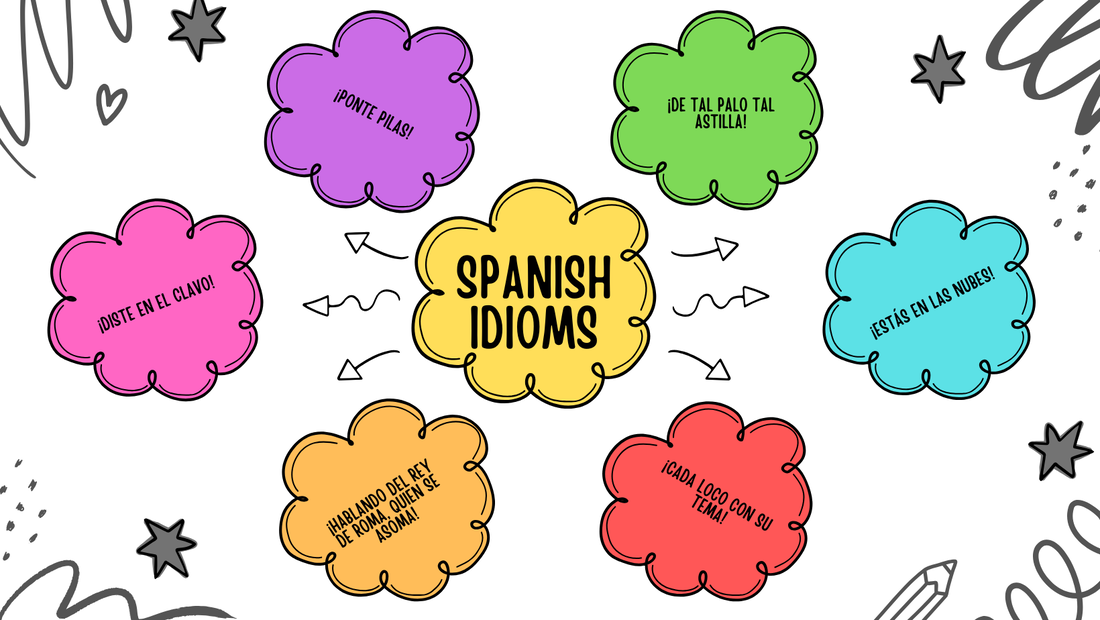
 Learning a new language involves more than just memorizing vocabulary and mastering grammar rules. It's also about understanding the nuances of expression that give a language its unique flavor. With its rich cultural heritage and diverse linguistic influences, Spanish is full of glowing idioms that add depth and character to conversations. In this blog post, we'll explore 10 essential Spanish idioms every learner should strive to master.
0 Comments
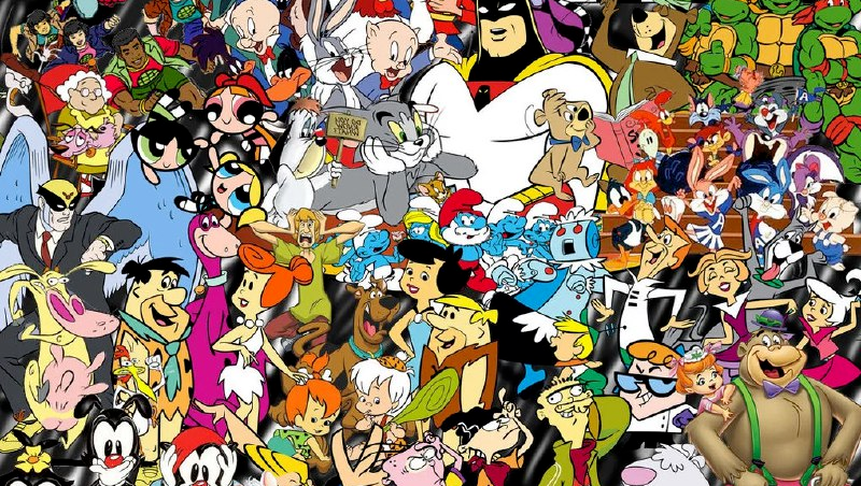 Learning a language through cartoons proves to be both fascinating and effective. The allure of animated characters and captivating storylines not only engages audiences but also offers language learners a dynamic and immersive learning environment. In this exploration of Spanish language acquisition via cartoons, we will delve into the advantages of this method and spotlight some of the most beneficial cartoons for language learners.
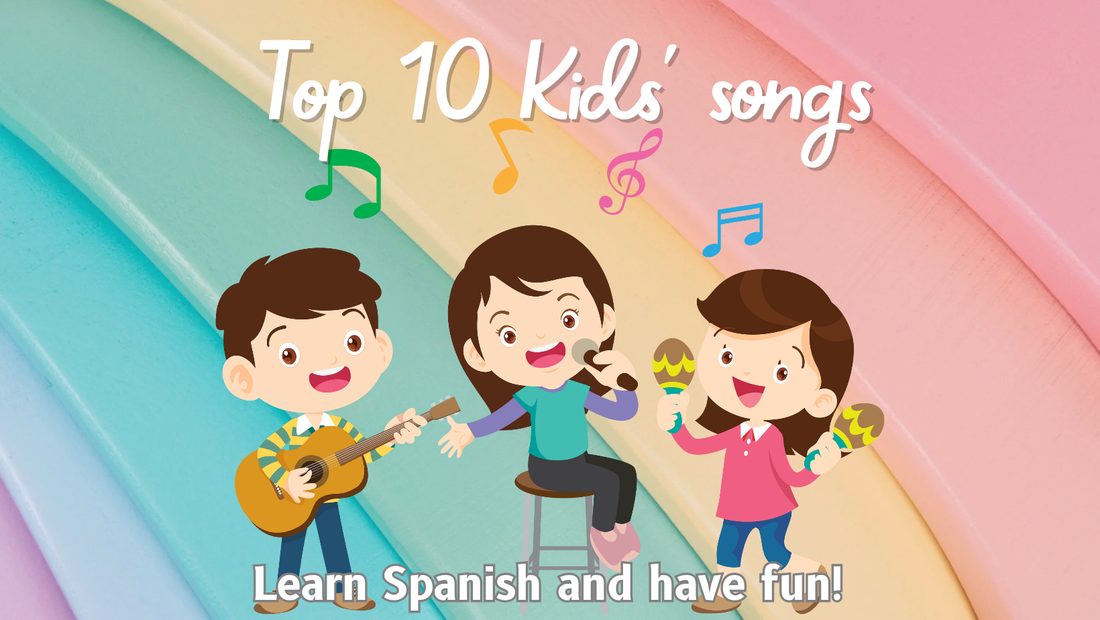 Childhood stands as a pivotal phase in life, championed by numerous experts in psychology, education, and child development for its paramount significance. This formative period leaves an indelible imprint on cognitive, social, and emotional growth, nurturing the roots of perpetual learning and self-assurance. During infancy, the brain's neuroplasticity aids rapid language acquisition, forming connections and absorbing linguistic patterns, as highlighted by Mia Nacamulli.
 Learning any language can be an exciting and rewarding journey. It is important to set clear goals to stay motivated and find quality resources to help you in your journey. The psychologist, Richard Mayer, developed The Cognitive Theory of Multimedia Learning, which focuses on how learners process and understand the information presented through different multimedia modalities, such as text, visuals, and audio.
How can this theory be applied to learning songs in another language? 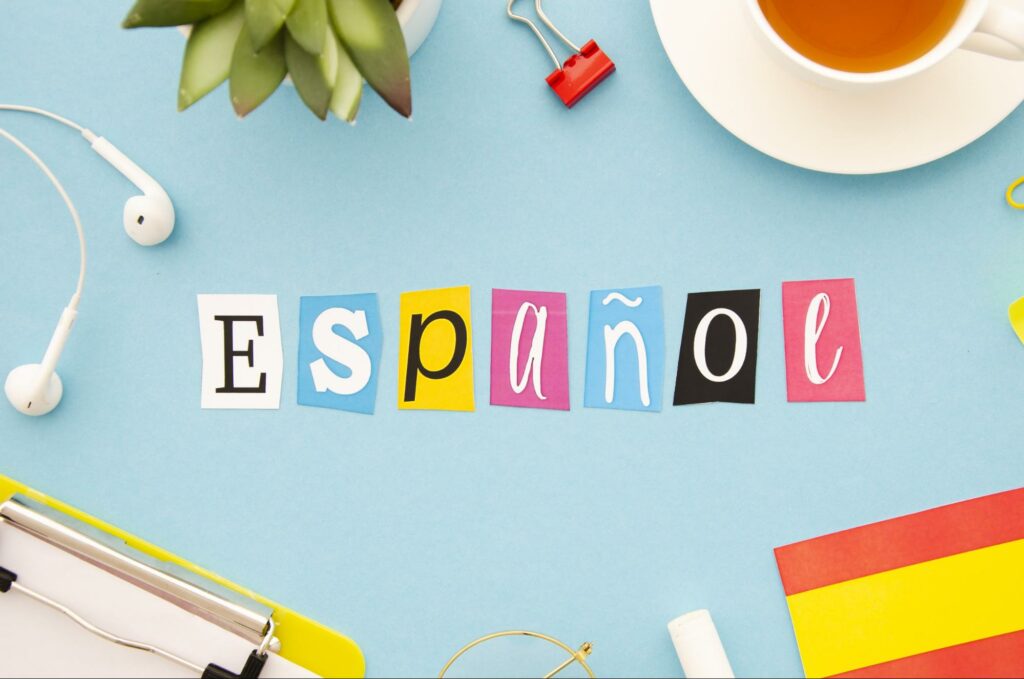 Learning a new language brings benefits to your brain. As you acquire new words and structure sentences to set your ideas, you are establishing new connections, maintaining your brain cells active and starting to exercise your memory.
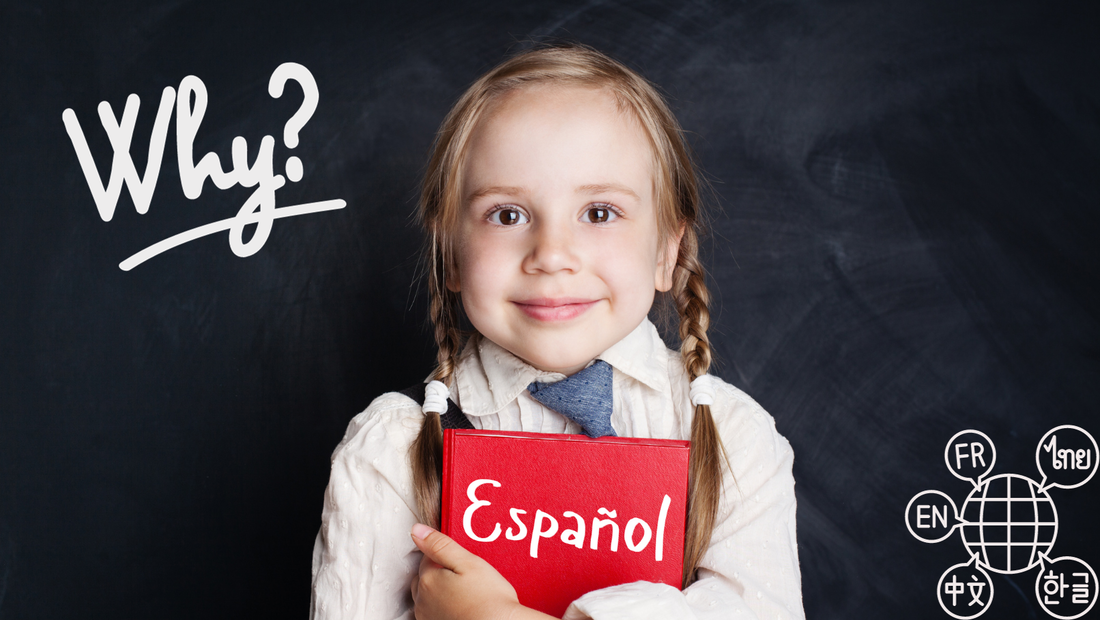 Languages can be a fantastic tool to expand your mind and social circle. They can bring opportunities and knowledge about new cultures, besides allowing you to make new friends. Language learning is healthy for you because it exercises and activates parts of your brain that aren't often used. Learning strengthens the dorsolateral prefrontal cortex, meaning it produces the gray matter that carries some of the neurons and synapses of your brain.
Additionally, switching from one language to another can help you focus better and organize your ideas more — it can even help you be a more efficient problem-solver. Ultimately, having a bilingual brain can make you happier. So, learning Spanish can be a great adventure and never a waste of time. |
AuthorWrite something about yourself. No need to be fancy, just an overview. Archives
June 2024
Categories
All
|
 RSS Feed
|
Music & Language Learning Center |
Music Classes |
Language Classes
|
MUSIC AND LANGUAGE LEARNING CENTER 2024