Music & Language Learning Center
  • Home
    • About Us
  • Classes
    • ABRSM Music Theory
    • Celebrate Theory
    • Ear Training
    • Music Appreciation
    • Music Composition
    • Music History
    • Music Lessons
    • Music Theory
    • Orchestra Conducting
    • Trinity College of Music
    • French
    • Brazilian Portuguese
    • European Portuguese
    • Spanish
  • Faculty
  • Digital Products
    • Free Resources
  • Blog
B L O G

10 Tips for Beginner Clarinet Players

4/26/2024

0 Comments

 
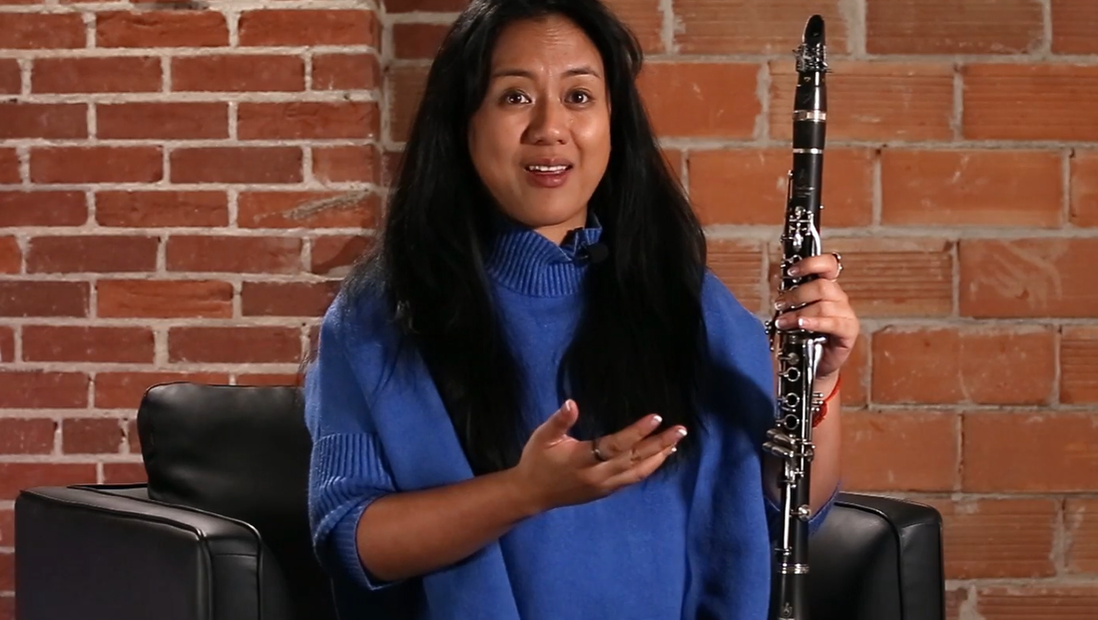
Kristine Dizon with Clarinet
Do you remember what it was like to start playing the clarinet? Or any instrument, for that matter? It's similar to any skill you wish to develop, whether it be writing, drawing, or painting. When teaching music to beginners, it's important to consider how we can engage them and nurture a passion for music. Here are several tips to keep in mind when approaching beginner clarinet players. ​
  1. Get a Good Quality Instrument: It can be difficult to decide what to purchase for young students who are just starting out because you may not know if they will enjoy the instrument. I recommend renting an instrument from a local music store and allowing them to try it out. This approach provides a low-pressure way for students to commit to the instrument. Once they show a deeper interest, then consider investing in a high-quality instrument. Many of my students now play early professional instruments and have found it more enjoyable to access better quality early in their learning journey.

  2. Assemble the Clarinet Correctly and Carefully: I emphasize "carefully" because I've often seen children forcefully try to put their instruments together as if they were assembling Lego—trying to force the wrong pieces to fit. It's crucial to take the time to teach children how to properly assemble the clarinet. This prevents frequent trips to the local repair shop.

  3. Find a Good Reed and a Good Reed Case: It's important to find a quality reed that doesn't look as if it's been gnawed on by rats. Beginners often struggle with the plastic protectors that reeds come in. I highly recommend buying a reed case from the start, so it's easier for students to handle the reed safely.

  4. Develop Proper Embouchure: Insist on good embouchure from the beginning. Without a proper embouchure, it's difficult to produce a focused and pleasant sound. Ensure that students have a flat chin, firm corners, and an upper lip, which will help them produce a consistent sound with minimal squeaking.

  5. Learn to Breathe Properly: A common mistake among young players is breathing too much from their chest and not using their diaphragm. Reinforcing good habits on how to approach the instrument is vital for their development. Arnold Jacobs's book "Song and Wind" is an excellent resource that I highly recommend for understanding the importance of proper breathing.

  6. Practice Finger Placement: Taking time to explain finger placement is important. It helps students not only understand where to place their fingers on the clarinet but also develops their motor skills early in their studies. This will also aid beginners in developing their technique and dexterity.

  7. Start with Simple Scales: It's never too early to introduce scales, whether sung or played. Understanding scales early on will be beneficial when learning ear training and other musical skills.

  8. Listen and Imitate: Providing beginners with good sound references is essential. It helps them develop a concept of sound early in their playing, and they will work towards imitating it. Whether you are playing examples or duets with students or referring them to quality recordings, this is the way to go!

  9. Begin with Regular, Short Practice Sessions: Encouraging this practice early in musical development is beneficial. Starting with short, goal-oriented sessions gives beginners the opportunity to develop their skills and encourages longer sessions as they advance.

  10. Be Patient and Persistent: I encourage my students to be patient and persistent in each of their lessons. Since everything moves so quickly in our lives, we sometimes forget that learning music, like any skill, takes time. Encouraging patience and understanding of the process early in their musical journey is important for maintaining their interest in music.

Remember, the joy of learning an instrument is as rewarding as the destination. Encourage your students to enjoy the process and don't hesitate to seek guidance from teachers and professional players along the way. If you want to learn more about the clarinet lessons we offer at the Music & Language Learning Center, schedule a free consultation with us today!​
Picture

Kristine Dizon

Founder and Head Teacher
Music & Language Learning Center

0 Comments


Leave a Reply.

    Author

    Write something about yourself. No need to be fancy, just an overview.

    Archives

    June 2024
    May 2024
    April 2024
    March 2024
    February 2024
    January 2024
    December 2023
    November 2023
    October 2023
    September 2023
    August 2023
    July 2023
    June 2023
    May 2023
    April 2023
    March 2023
    February 2023
    January 2023
    December 2022
    November 2022
    August 2022

    Categories

    All
    Book Recommendations
    Clarinet
    Conducting
    Ear Training
    Education
    Exam
    French
    Grammar
    Homeschool
    Language
    Music
    Music Appreciation
    Music History
    Music Theory
    Online Learning
    Portuguese
    Spanish
    Vocal
    Woodwind Instrument

    RSS Feed

Music and Language Learning Center

Music & Language Learning Center

​About Us
​Contact
Outschool Classes
Free Resources
Store
​Testimonials
Language Course Policy
Music Studio Policy

Music Classes

ABRSM Music Theory in Practice
Celebrate Theory
Ear Training
Music Appreciation
Music Composition
Music History
Music Lessons
​Music Theory
Orchestra Conducting
​Trinity College of Music

Language Classes

​French
Brazilian Portuguese
​Portuguese
​Spanish
Outschool

 MUSIC & LANGUAGE LEARNING CENTER 2025
  • Home
    • About Us
  • Classes
    • ABRSM Music Theory
    • Celebrate Theory
    • Ear Training
    • Music Appreciation
    • Music Composition
    • Music History
    • Music Lessons
    • Music Theory
    • Orchestra Conducting
    • Trinity College of Music
    • French
    • Brazilian Portuguese
    • European Portuguese
    • Spanish
  • Faculty
  • Digital Products
    • Free Resources
  • Blog