Music & Language Learning Center
  • Home
    • About Us
  • Classes
    • ABRSM Music Theory
    • Celebrate Theory
    • Ear Training
    • Music Appreciation
    • Music Composition
    • Music History
    • Music Lessons
    • Music Theory
    • Orchestra Conducting
    • Trinity College of Music
    • French
    • Brazilian Portuguese
    • European Portuguese
    • Spanish
  • Faculty
  • Digital Products
    • Free Resources
  • Blog
B L O G

10 European Portuguese Children’s Songs To Learn

8/18/2023

1 Comment

 
European Portuguese Children's Song
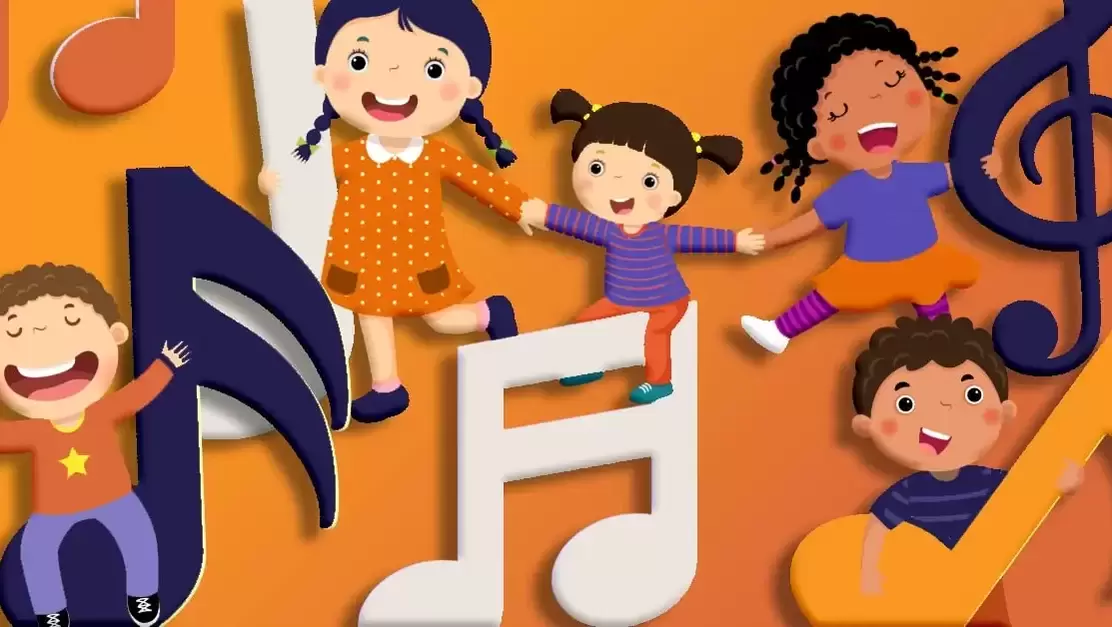
Are you wanting to find ways to introduce your kids to European Portuguese through song? Learning songs in a different language is a great way to gently introduce the language to your children. There are a variety of benefits - it can help them improve their listening skills and pronunciation, and learn vocabulary and sentence structures. There’s also a 2018 study from MIT that stated that music can be “beneficial in improving language skills, and possibly more beneficial, than offering children extra reading lessons.” To gently introduce European Portuguese to your learner, check out these songs!
  1. A barata diz que tem: There are two versions of this children’s song in Portugal and Brazil. This song is about a cockroach that boasts about having luxurious possessions like silk skirts, velvet shoes, a marble bed, and more. However, each time, it is revealed that the cockroach is lying, and possesses the opposite of good things.  
  2. A laranjinha: This song tells the story of an orange and a lemon going to a spring, with the lemon watching as the orange falls into the water and disappears. The song highlights the beauty and ripeness of the orange but also conveys a sense of loss as it vanishes in the brook.  
  3. Aldeias de Portugal: This song celebrates the beauty and wonder of the towns in Portugal, comparing their charm to the flowers in a garden and the elegance of white shining sails. It emphasizes the unique and captivating aspects of these towns, portraying them as marvelous and picturesque places. 
  4. Apanhar o trevo: In this festive song celebrating Saint John's morning, the singer finds joy in picking four-leaf clovers and encourages Mary to join in without hesitation. The song conveys contentment and gratitude for the presence of the beloved, emphasizing that being together is the most cherished gift, creating a cheerful and celebratory atmosphere with its repeated verses.
  5. Aqui vai o lenço: This song is the foundation for a game based around a handkerchief. In the game, children sit in a circle singing the song while the person who is “it” walks around the outside of a circle and drops a handkerchief behind one of the children. The child then gets up and chases around whoever is “it” until the child who’s “it” takes their seat. The child that is standing up is now “it.” It is similar to the Swedish game Duck-Duck-Goose.
  6. A saia da Rosa: This cheerful song encourages Rosa to twirl and dance, showcasing the beauty of her skirt and celebrating her graceful movements. The song exudes a lighthearted atmosphere, praising Rosa's twirling and suggesting she continues to do so to maintain the skirt's nice shape.
  7. As Pombinhas de Catrina: In this song, Catrina's little doves walk hand in hand, visiting different places. When a child breaks a pot, their mother forgives them upon learning that they found Catrina's little doves, creating a lighthearted and forgiving tone to the song.
  8. Atirei o pau ao gato: In this playful and humorous song, the narrator throws a stick at a cat but fails to harm it. Mrs. Chica-ca gets frightened by the cat's scream, and later, a flea bothers her while she sits on the chimney. The song reflects a light-hearted tone with comical interactions between the characters and the use of repetitive sounds for emphasis.
  9. Bolinhos e bolinhós: This song mentions muffins and cookies as offerings to the deceased who are buried near the true cross. The singer knocks on the door where a lady is sitting and requests a coin or a cookie. The song appears to be related to a folk or cultural tradition of offering food to the departed and seeking blessings from the lady or spirit residing near the true cross. 
  10. Indo eu a camino de Viseu: This song tells the story of a journey to Viseu, meeting a loved one along the way, but experiencing an injury that brings pain. It ends with the singer leaving Viseu, feeling bored and longing for their love, while the refrain adds a lively and rhythmic aspect through clapping and movement. 

Overall, children’s songs in different languages are a great way of gently introducing a second language to your learner which is fun and interactive. If you want to learn more about our course offerings at the Music & Language Learning Center, schedule a free consultation with us today! ​
Picture

Kristine Dizon

CEO & Founder
Music & Language Learning Center
www.kristinedizon.com

1 Comment
Cameron link
8/5/2024 09:40:43 pm

Nice bllog

Reply


Leave a Reply.

    Author

    Write something about yourself. No need to be fancy, just an overview.

    Archives

    June 2024
    May 2024
    April 2024
    March 2024
    February 2024
    January 2024
    December 2023
    November 2023
    October 2023
    September 2023
    August 2023
    July 2023
    June 2023
    May 2023
    April 2023
    March 2023
    February 2023
    January 2023
    December 2022
    November 2022
    August 2022

    Categories

    All
    Book Recommendations
    Clarinet
    Conducting
    Ear Training
    Education
    Exam
    French
    Grammar
    Homeschool
    Language
    Music
    Music Appreciation
    Music History
    Music Theory
    Online Learning
    Portuguese
    Spanish
    Vocal
    Woodwind Instrument

    RSS Feed

Music and Language Learning Center

Music & Language Learning Center

​About Us
​Contact
Outschool Classes
Free Resources
Store
​Testimonials
Language Course Policy
Music Studio Policy

Music Classes

ABRSM Music Theory in Practice
Celebrate Theory
Ear Training
Music Appreciation
Music Composition
Music History
Music Lessons
​Music Theory
Orchestra Conducting
​Trinity College of Music

Language Classes

​French
Brazilian Portuguese
​Portuguese
​Spanish
Outschool

 MUSIC & LANGUAGE LEARNING CENTER 2025
  • Home
    • About Us
  • Classes
    • ABRSM Music Theory
    • Celebrate Theory
    • Ear Training
    • Music Appreciation
    • Music Composition
    • Music History
    • Music Lessons
    • Music Theory
    • Orchestra Conducting
    • Trinity College of Music
    • French
    • Brazilian Portuguese
    • European Portuguese
    • Spanish
  • Faculty
  • Digital Products
    • Free Resources
  • Blog